The Skyscraper That Hangs Over an Art School
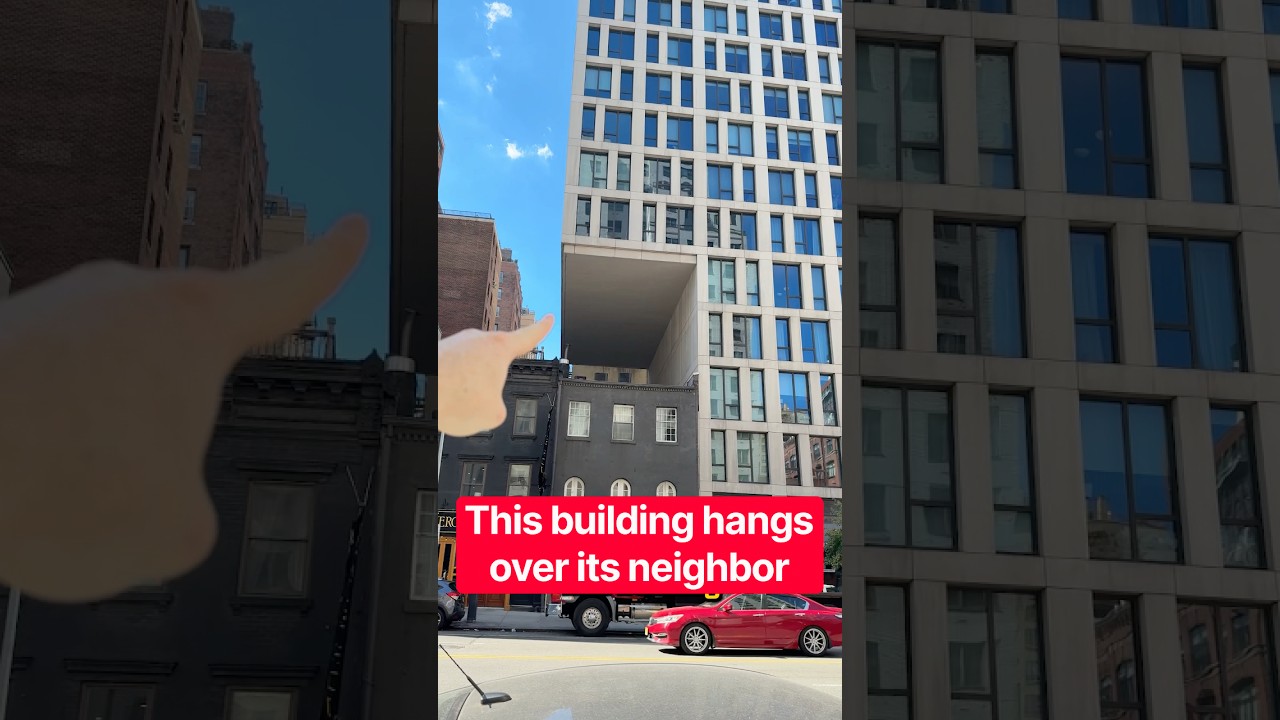
Central Park Tower's most revealing detail is not just its height. It is the cantilever that lets the tower hang over the landmarked Art Students League to protect park views.
Central Park Tower is easy to explain by height. It rises over Billionaires' Row, holds some of the highest residences in New York, and competes in the small club of buildings designed around views that are valuable enough to reshape steel and concrete.
But the stranger story is lower down. The tower does not simply rise. It shifts.
Where it is
Central Park Tower is at 217 West 57th Street, New York, NY 10019, next to the Art Students League of New York.
The Bigger Story
Central Park Tower was planned as one of the tallest residential buildings in the world, but the top was not the hardest part. The problem was everything below it. Luxury apartments on 57th Street sell the promise of open views over Central Park, and another nearby tower threatened to block some of those views before Central Park Tower could fully capitalize on them.
So the developers made a deal. The neighboring tower would sit slightly farther west, and Central Park Tower would reach slightly east. That solved the view problem on paper, but not on the ground, because a building already occupied the space where the tower wanted to move: the Art Students League, a landmarked art school founded in the 19th century.
The school could not simply be knocked down. Instead, the tower had to move through the air.
Central Park Tower bought the unused development rights above the Art Students League, reportedly for $31 million. Not everyone at the school wanted the deal. Members objected, votes were challenged, and lawsuits followed. But the approvals held, and the tower kept going.
That left engineers with a dramatic structural problem. About 300 feet above the street, the tower begins shifting sideways until part of it hangs roughly 28 feet over the art school below. On some floors, thousands of square feet are suspended over open space with no direct support beneath them.
The solution was not decorative. It was hidden structure. Engineers used massive shear walls and transfer elements to pull the cantilevered load back into the concrete core, then carry that force down into the foundation. What looks from the sidewalk like a clean luxury facade is really a balancing act.
The result is a building shaped by money, views, landmark law, and structural engineering all at once. Central Park Tower did not cantilever because it looked interesting. It cantilevered because the most valuable thing in the building was not the apartment floor. It was the view beyond the glass.
That is the quiet logic of Billionaires' Row: air can be bought, sold, shifted, and engineered. At Central Park Tower, even the empty space over an art school became part of the skyscraper.
Sources
- https://informedinfrastructure.com/post/central-park-tower-pushes-the-limits-of-skyscraper-design
- https://www.artstudentsleague.org/
- https://www.centralparktower.com/
Everyday Science, in your inbox.
Get new stories about the engineering, technology, architecture, and history around us.