Video Inside the Pencil-Thin Tower Above Steinway Hall 111 West 57th Street rises from a landmarked piano showroom into one of the thinnest supertall residential towers ever built.
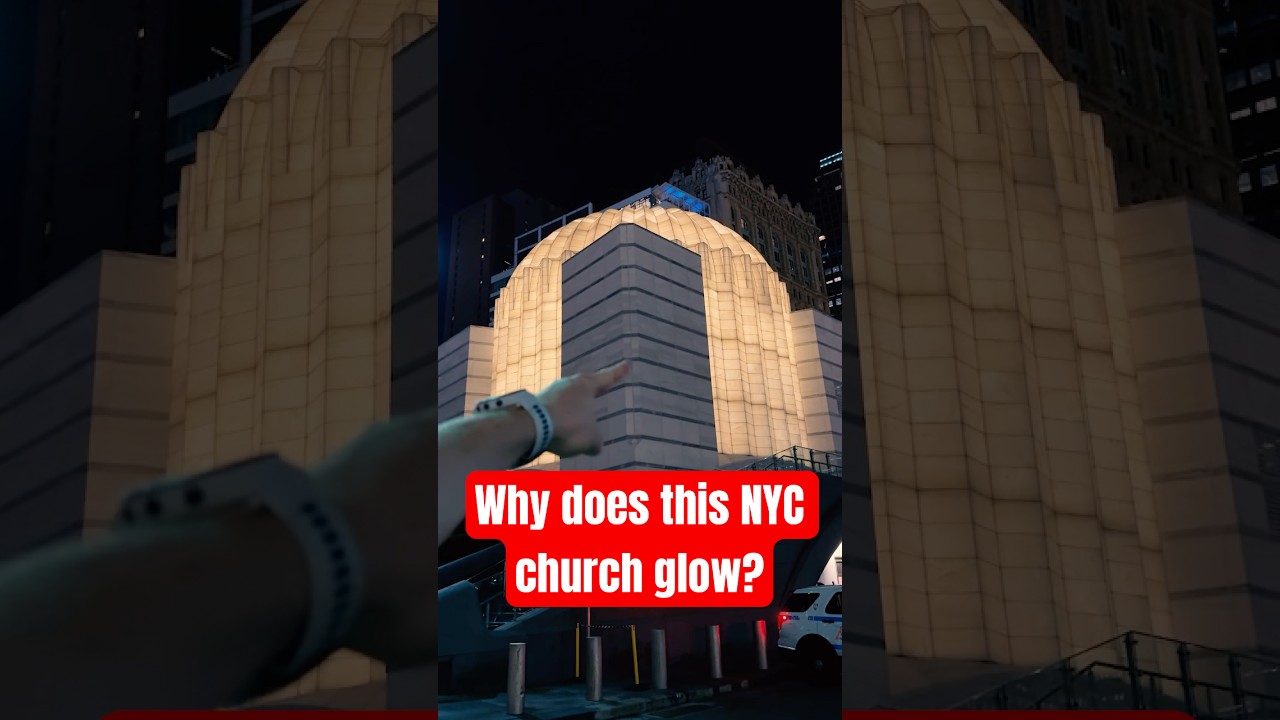
Video Why the Church at Ground Zero Glows at Night St. Nicholas Greek Orthodox Church was rebuilt at the World Trade Center with Pentelic marble, the same luminous stone associated with the Parthenon.
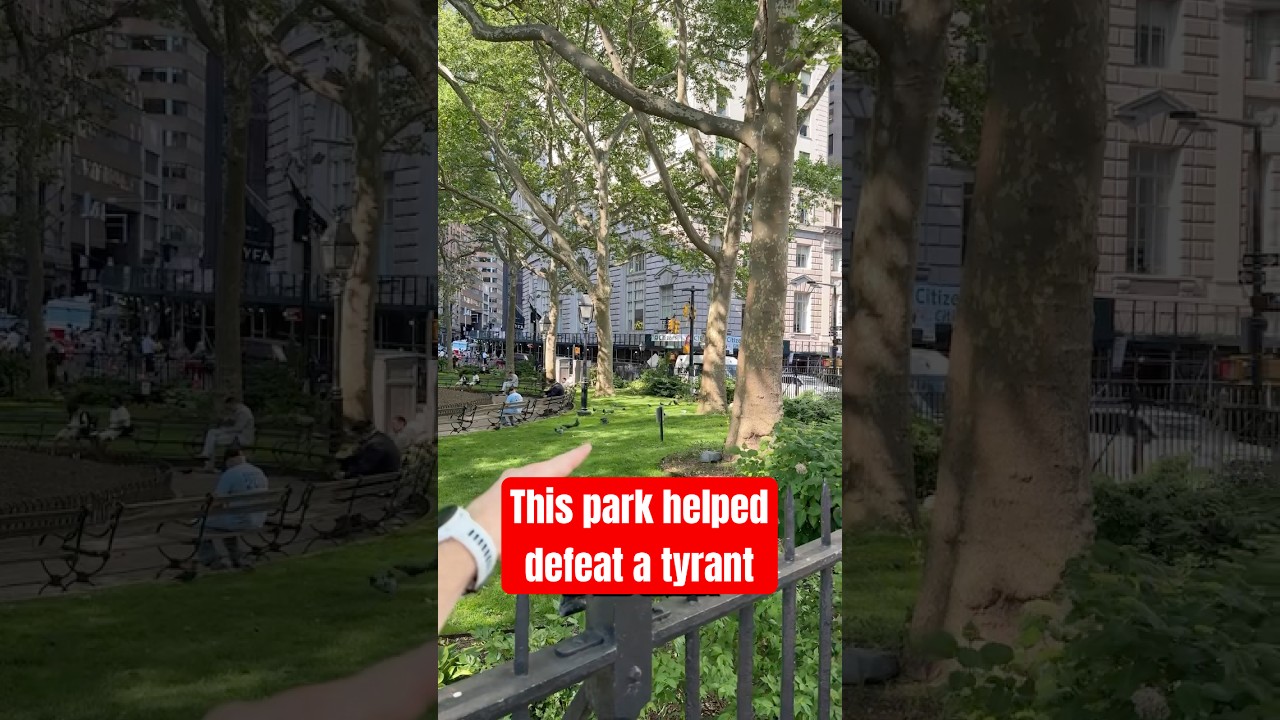
Video The Tiny Park Where New York Took Down a King Bowling Green looks like a small patch of grass in Lower Manhattan. Its fence still carries the marks of the night New Yorkers toppled King George III.
Video Why Tall Buildings Are Called Skyscrapers Before skyscraper meant a tall building, it belonged to sailing ships, where the word described a tiny sail set near the top of the mast.
Video 33 Thomas Street: The Windowless Skyscraper Built for Machines 33 Thomas Street looks suspicious because it was designed that way: a hardened AT&T telephone-switching tower built to keep communications running through disaster.
Video Why the Harlem River Has So Many Bridges That Can Move The Harlem River's swing bridges were built for a city where boats still needed to cut between the Hudson and East rivers. Most rarely open now, but they still have to be ready.
Video Why New York Still Uses Wooden Water Towers New York's rooftop water tanks look old-fashioned, but they solve a pressure problem that gravity alone cannot handle above about six stories.
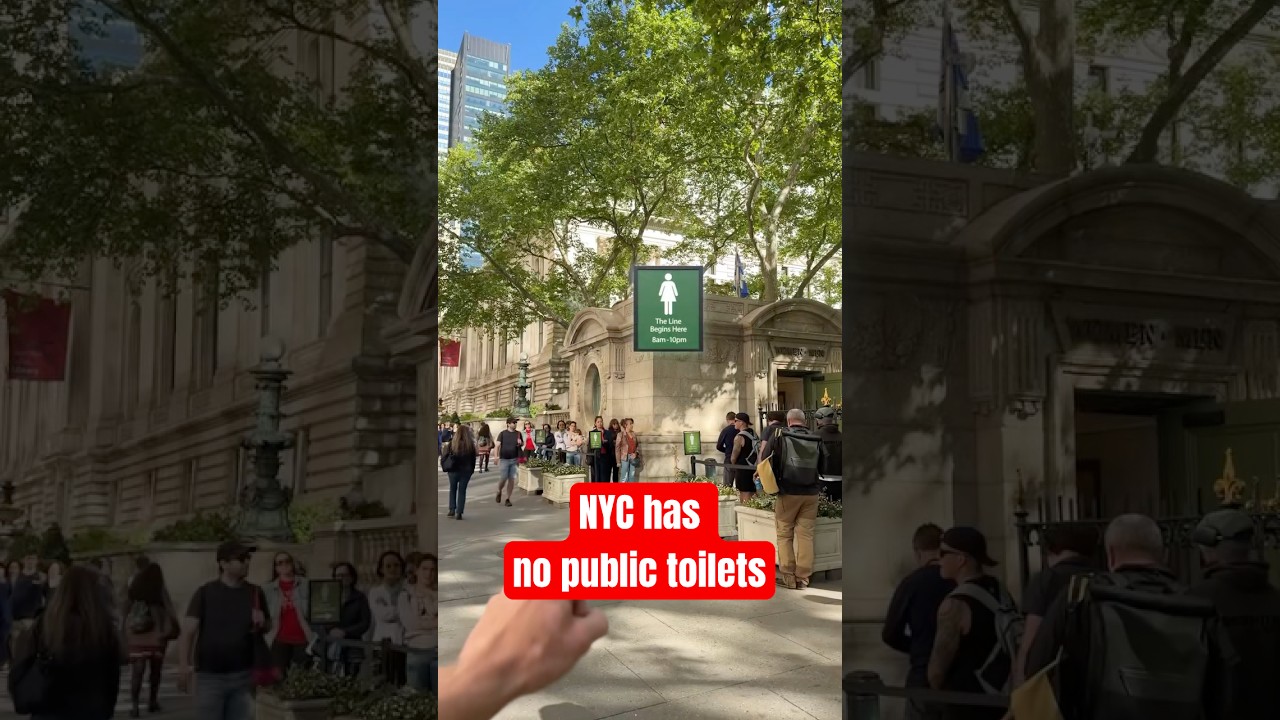
Video Why New York Still Has So Few Public Bathrooms New York's public bathroom shortage is not just an inconvenience. It is the result of old comfort stations, fiscal crisis closures, maintenance costs, design failures, and slow public construction.
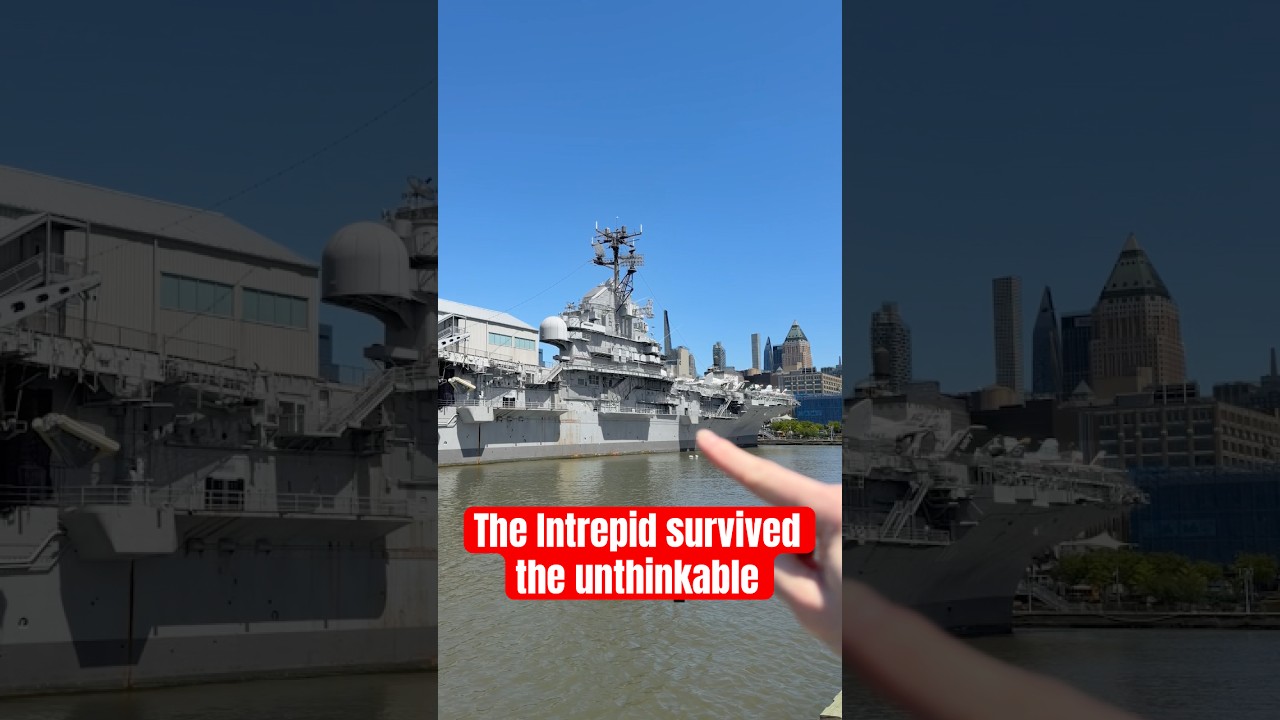
Video The USS Intrepid Survived War, Then Got Stuck in Hudson River Mud The aircraft carrier Intrepid survived kamikaze attacks, a torpedo strike, Vietnam service, and NASA recovery missions. In 2006, its hardest opponent was 17 feet of Hudson River mud.
Video The Woolworth Building Had to Invent a Way to Fight the Wind When the Woolworth Building became the tallest building in the world, its engineers had to solve wind forces with a bracing system tailored to its strange shape.
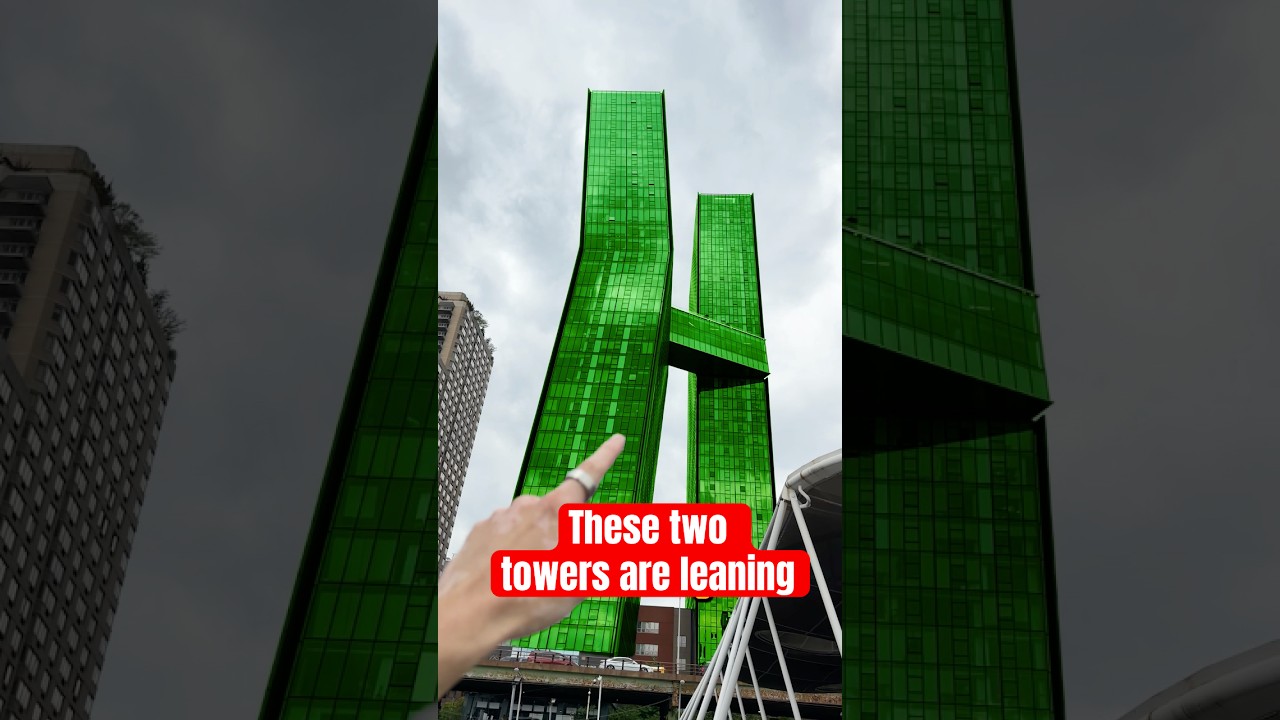
Video American Copper Buildings: Why the Towers Lean Toward Each Other The American Copper Buildings look like two towers bending in the wind, but the lean helps make their three-story skybridge possible.
Video The Old Electrical Rooms Keeping the Subway Alive New York's subway depends on hundreds of traction power substations that convert grid power into third-rail electricity. Some are old enough to become a service risk.